Asia's wet markets · Bangkok
Basil pork with a crisp fried egg, on a single hob
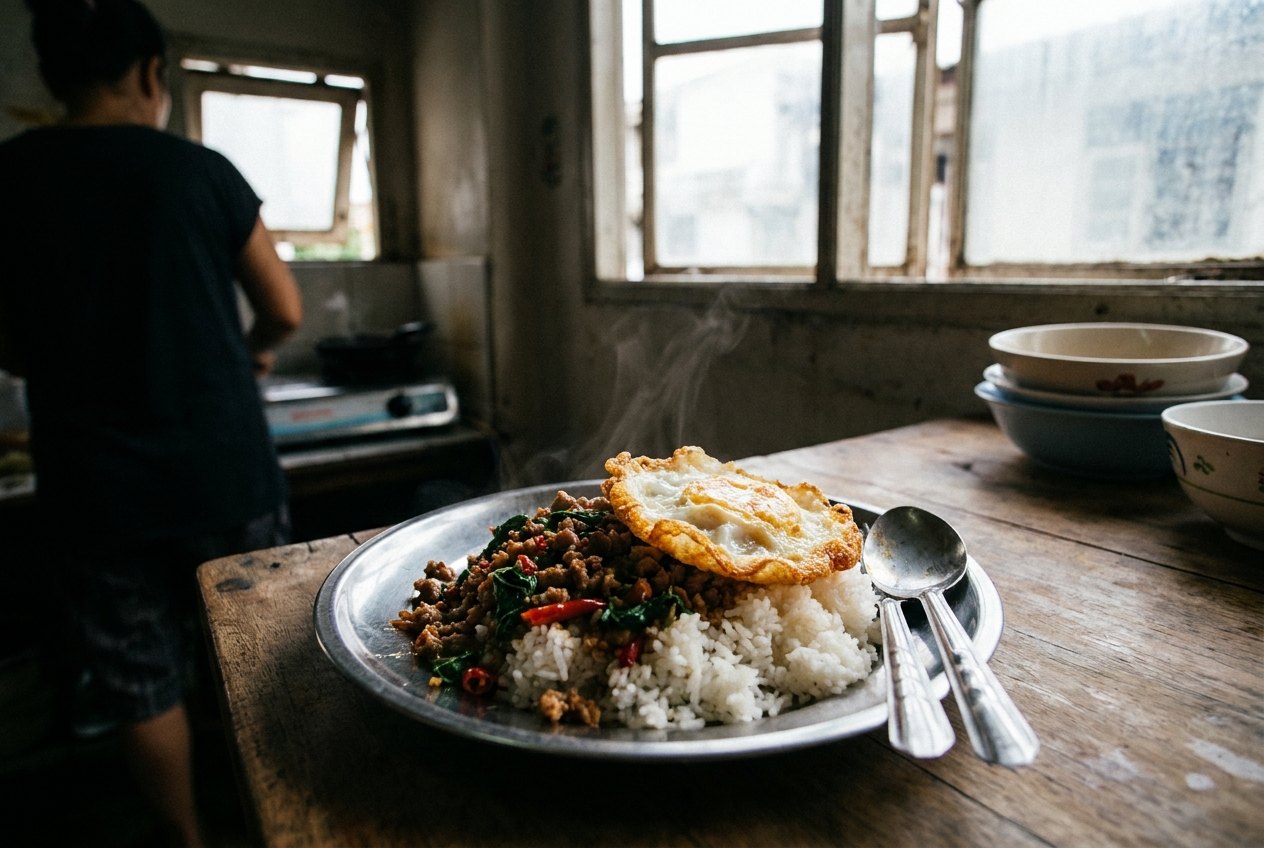
Pad kra pao is Bangkok's everyday lunch: minced pork fried hard with garlic, chillies and holy basil, on rice, under a fried egg with crisp edges. In a flat it takes ten minutes.
Ask a Bangkok office worker what they had for lunch and there is a good chance the answer is pad kra pao. Minced pork, chicken or beef is stir-fried at high heat with pounded garlic and chillies, seasoned with fish sauce and oyster sauce, and finished with a fistful of holy basil, which wilts into the pan and releases a peppery, clove-like scent. It is served over jasmine rice, almost always with a fried egg on top, its white crisp and lacy at the edges and its yolk runny.
It is fast, cheap and made for one burner, which makes it perfect for a flat with a small kitchen. Cook the rice first, and everything else takes about six minutes.
Two Bangkok markets
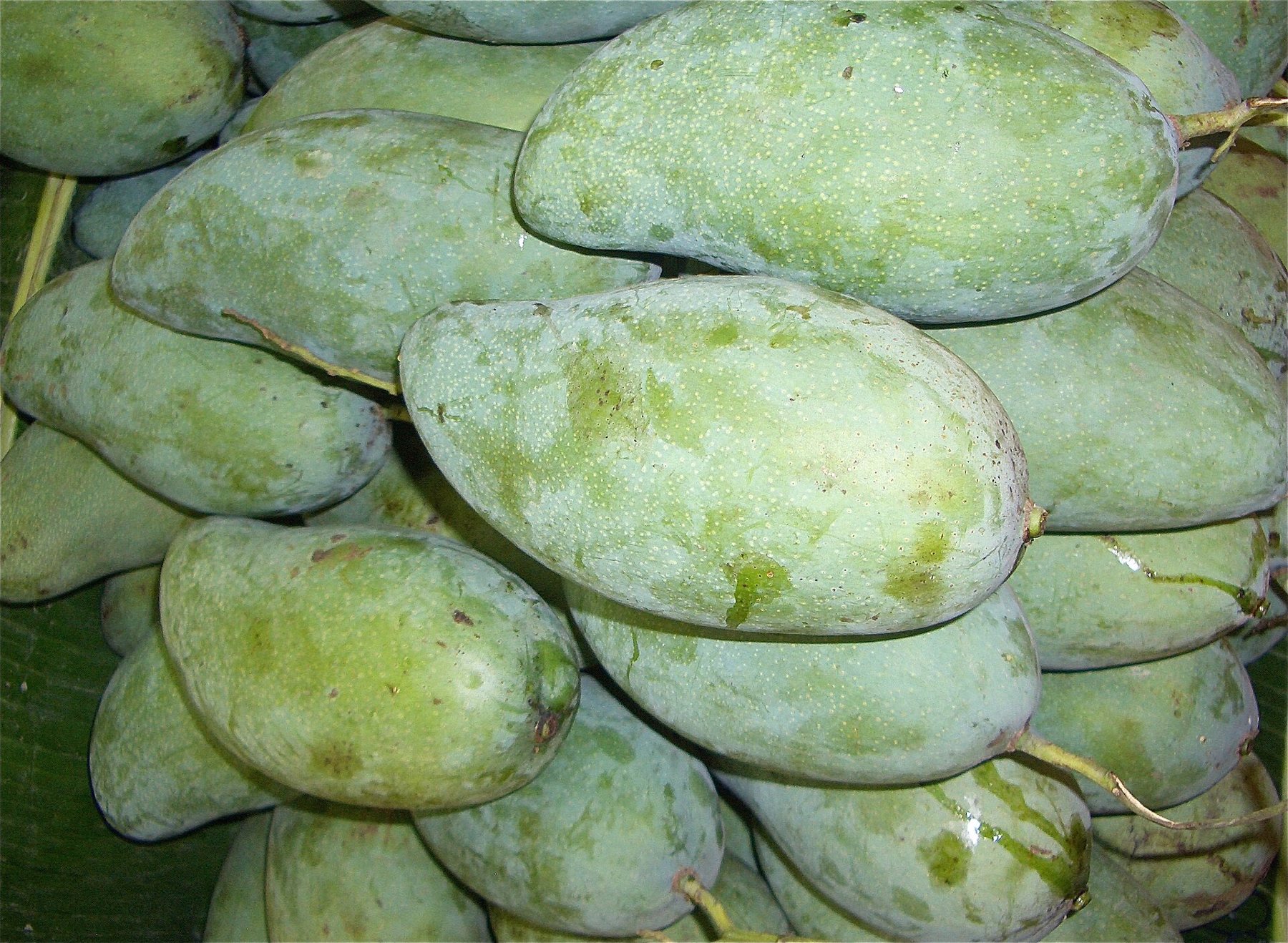
Or Tor Kor, next to the Chatuchak weekend market in the north of the city, is one of Bangkok's most famous fresh markets, known for the quality of its fruit, vegetables, meat, fish and prepared foods. It is clean, orderly and more expensive than most, and it is a pleasure to walk around, with piles of mangoes, durians, herbs and curry pastes. It is a short walk from Kamphaeng Phet station on the MRT.
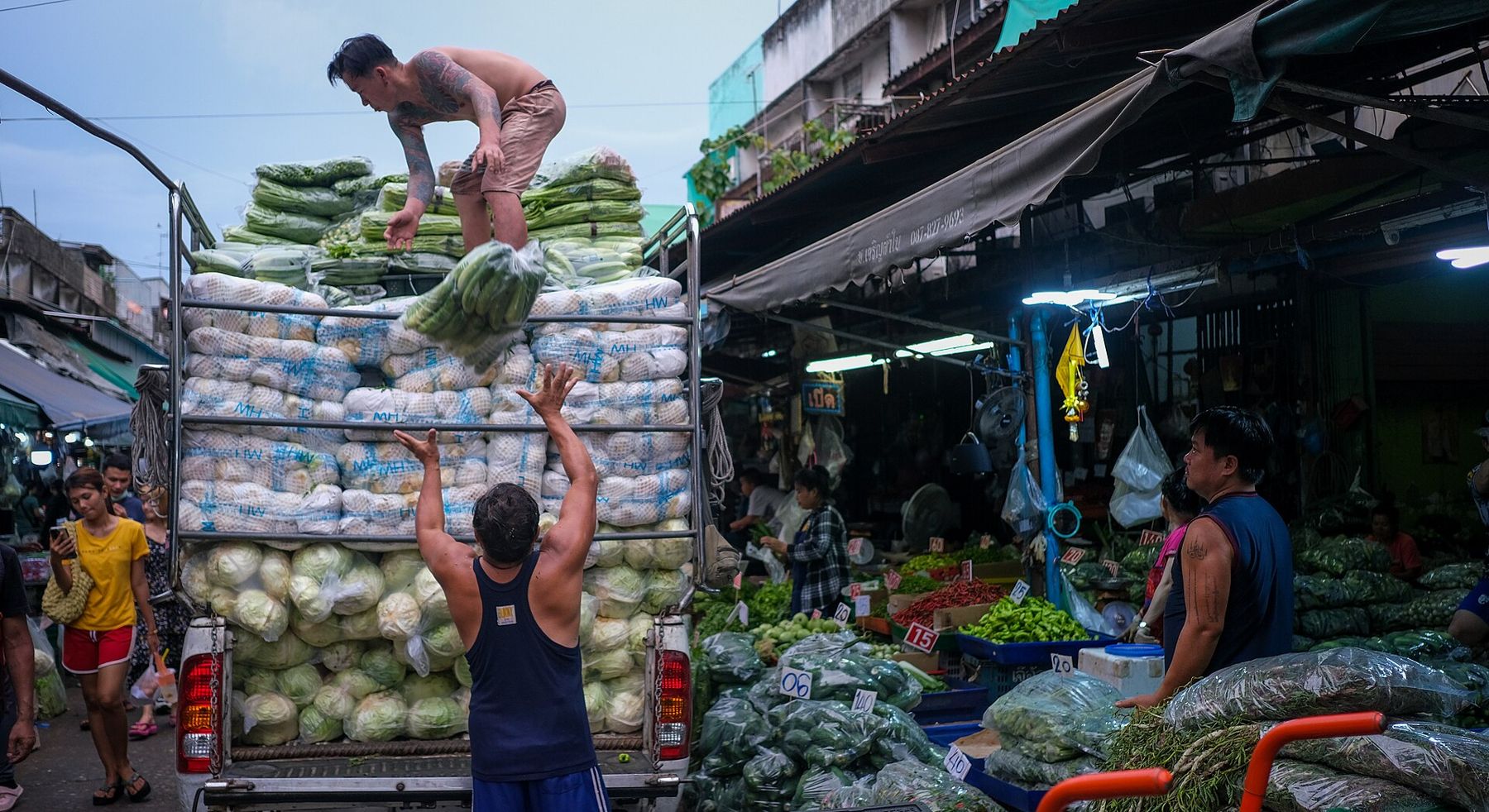
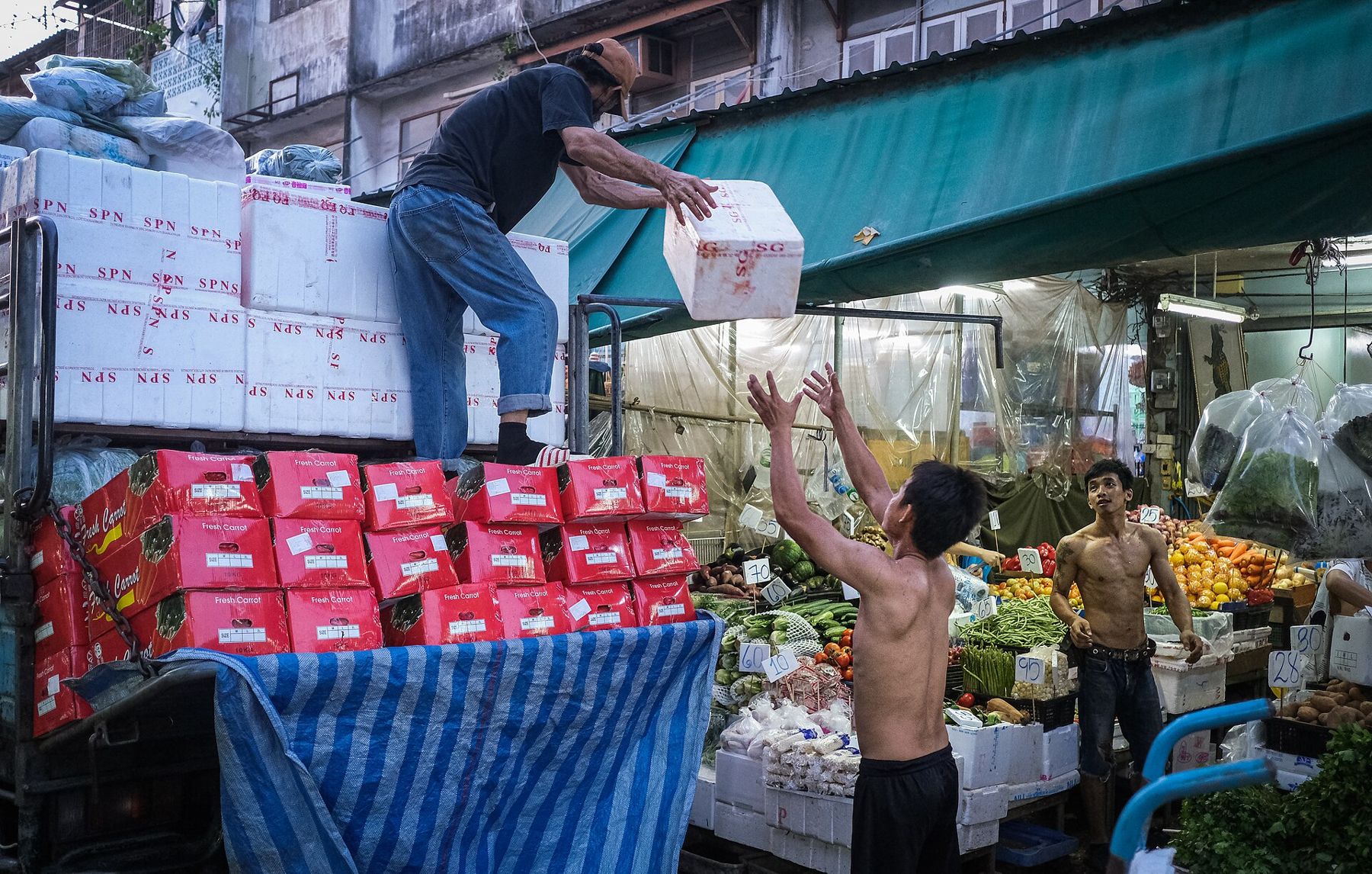
Khlong Toei market, near the river in the south of the city, is the opposite: Bangkok's largest wet market, sprawling, crowded and busiest in the hours before dawn, when restaurants and stallholders buy their supplies. It is not for the squeamish, with live fish, meat on open counters and narrow, wet aisles, but it is a vivid look at how a great city feeds itself. Go early, wear closed shoes and watch your step.
Holy basil is the point
The basil matters. Holy basil, bai kra pao in Thai, has slightly fuzzy leaves and a peppery, almost medicinal flavour, quite different from the sweet Thai basil, bai horapa, used in green curry, or the Italian basil of pesto. Using the wrong one changes the dish entirely. At the market, ask for kra pao; the stallholders will show you. Buy a big bunch: it cooks down to almost nothing.
Bird's-eye chillies are small and fierce. Use as many as you like, from one or two for mild to a dozen for the full Bangkok experience. Garlic, fish sauce and oyster sauce complete the seasoning, with a pinch of sugar.
Most rented flats in Bangkok have an electric rice cooker, and it is the key to this meal. Rinse the jasmine rice in a few changes of water until the water runs nearly clear, add water to the line marked for the amount of rice, and switch it on. It will be done in about twenty minutes and will stay warm. If there is no rice cooker, cook the rice in a covered pan using about one and a quarter cups of water to each cup of rice.
Another list: HanoiBún chả from a skillet, for a flat with no charcoal- Start the rice. Pound 4 cloves of garlic and as many chillies as you like with a pinch of salt in a mortar, or chop them very finely together.
- Mix 1 tablespoon of oyster sauce, 1 tablespoon of fish sauce, 1 teaspoon of soy sauce if you have it, a pinch of sugar and a splash of water in a cup.
- Heat a wok or frying pan over the highest heat. Add a generous spoonful of oil, and when it shimmers, crack in the eggs. Fry them hard, spooning hot oil over the whites, until the edges are brown and crisp. Lift them out onto a plate.
- In the same pan, fry the garlic and chilli paste for a few seconds until fragrant, without letting it burn.
- Add the pork and stir-fry, breaking it up, for 2 to 3 minutes until it is cooked through and starting to brown.
- Pour in the sauce mixture and stir until the pork is glazed. Throw in the basil leaves, stir for a few seconds until they wilt, and take the pan off the heat.
- Pile rice on two plates, spoon the pork alongside and put an egg on top of each.
Smoke and spice in a small kitchen
Frying chillies in a hot wok makes a pungent smoke that catches the throat. Turn on the extractor, open the windows, and keep your face away from the pan when you add the paste. In a small flat, the smell lingers for hours. Thai cooks do much of their cooking outdoors or on balconies for this reason.
Wash your hands well after handling chillies, and do not touch your eyes.
Eating it the Bangkok way
Thais eat with a spoon in the right hand and a fork in the left, using the fork to push food onto the spoon. Break the egg yolk over the rice and mix it in. A small dish of fish sauce with sliced chillies, prik nam pla, is the usual condiment on the side, for anyone who wants more salt and heat.
A cold drink helps. So does a plate of sliced cucumber.
It is fast, cheap and made for one burner, which makes it perfect for a flat with a small kitchen.
The rest of the market bag
Leftover basil does not keep long; use it the next day in another stir-fry or an omelette. Fruit from the market, such as mangoes, pineapples and rambutans, makes breakfast without cooking. Many markets also sell ready-made curries, salads and desserts in small bags, which Bangkok households buy to fill out a meal. For another one-pan dish from the region, see bún chả from a skillet in Hanoi, or for a very different breakfast, menemen in Istanbul. Market hours change, so check them for Bangkok before you go.
Getting around the markets
Bangkok's markets are best reached by public transport. Or Tor Kor is a short walk from Kamphaeng Phet station on the MRT Blue Line, and on weekends the Chatuchak market next door adds thousands of stalls of clothes, plants and crafts. Khlong Toei market is close to Khlong Toei and Queen Sirikit stations on the same line. Go early in the morning before the heat builds, and carry a light bag: the stallholders will give you plastic bags, but a reusable one is easier to carry.
Most stalls take cash only. Small notes and coins make things easier. Prices are usually fixed, and the stallholders are used to visitors pointing and using a few words of Thai; a smile and a thank you, khop khun, go a long way.
Most fresh markets in the city are at their busiest and freshest between dawn and about nine.
The photographs on this page were shared by their photographers under open licences. Names and licences are on who took the market shots.