Asia's wet markets · Tokyo
A rice bowl from the Tsukiji outer market and the neighbourhood shops
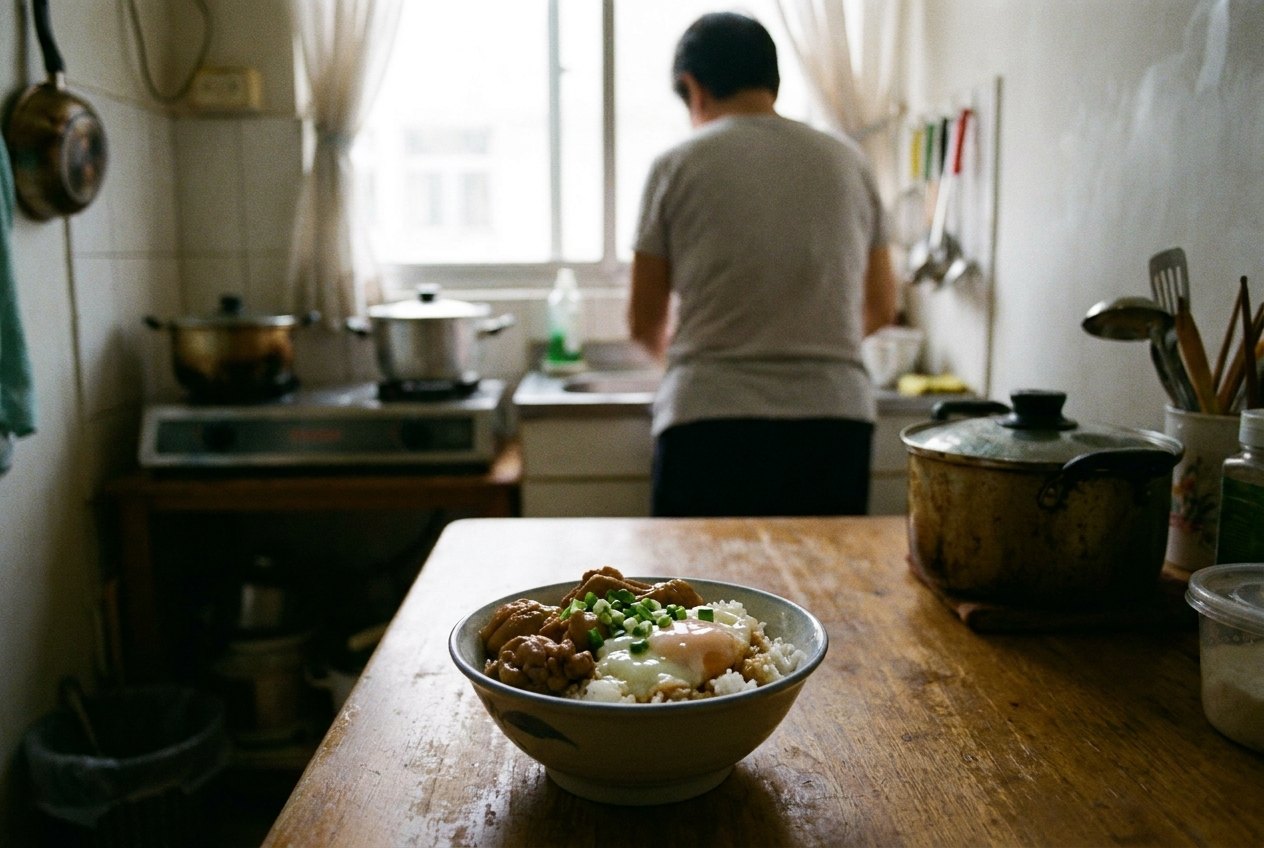
Oyakodon, chicken and egg simmered together and slid over rice, is one of Japan's simplest home dishes. A Tokyo flat's single induction ring is all it needs.
Oyakodon means parent-and-child bowl, a slightly dark joke about its two main ingredients: chicken and egg. Pieces of chicken and sliced onion are simmered briefly in a light, sweet broth of dashi, soy sauce and mirin, then beaten egg is poured over and left to set softly. The whole thing is slid over a bowl of hot rice. It is one of the most common home and lunch dishes in Japan, and it takes about fifteen minutes once the rice is on.
Tokyo flats are often small, with a single induction ring and a rice cooker. That is exactly what oyakodon needs.
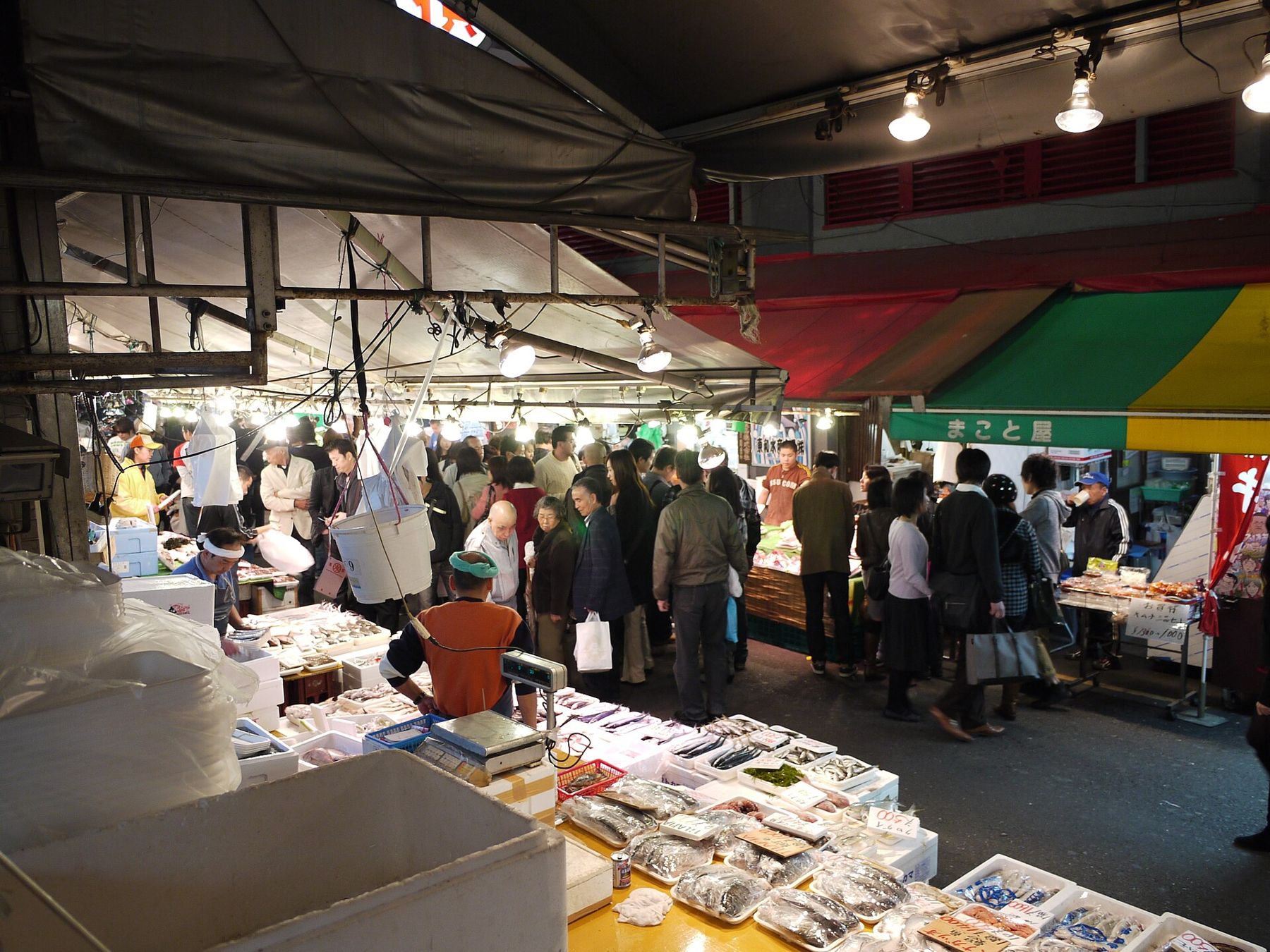
The Tsukiji outer market
Tokyo's famous wholesale fish market moved from Tsukiji to Toyosu in 2018, but the outer market, the jōgai shijō, stayed. It is a maze of narrow lanes and small shops selling fish, knives, kitchen tools, dried seaweed, tea, pickles and cooked foods, and stalls selling breakfast to visitors. It is busiest and best in the early morning, and many shops close by early afternoon. Some close on Sundays, public holidays and certain Wednesdays; check before you go.
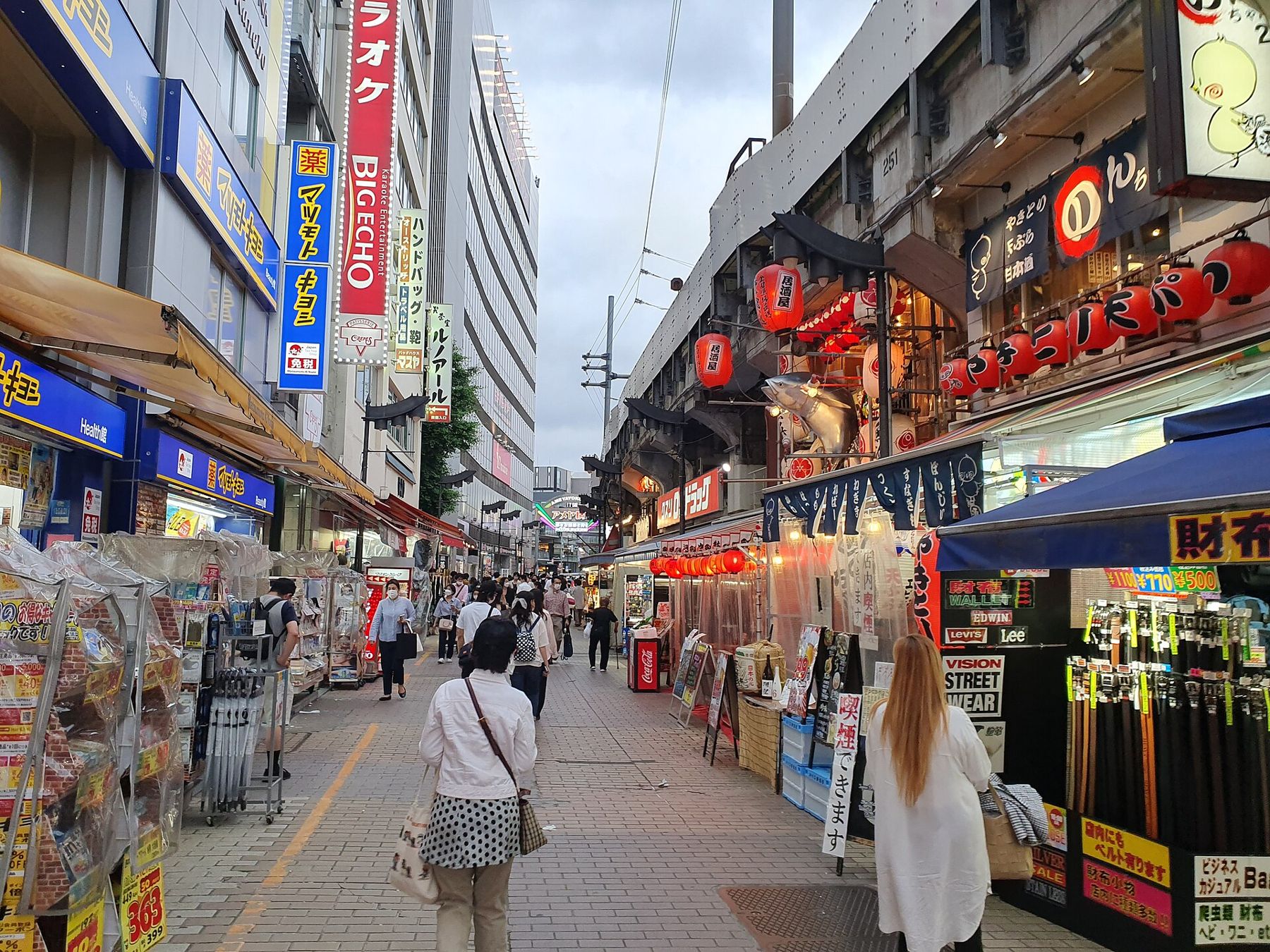
Ameyoko, a market street under the railway tracks near Ueno station, is another lively place to shop, with stalls selling fish, dried goods, fruit and snacks at bargain prices.
The neighbourhood shops
For everyday ingredients, Tokyo residents shop at local supermarkets and shotengai, covered or open shopping streets with small specialist shops. Chicken thighs, eggs, onions, soy sauce, mirin and dashi granules are easy to find. Dashi, the Japanese stock made from kelp and bonito, is the base of this dish; the instant granules, sold in small jars or sachets, are what most home cooks use for quick meals.
Japanese eggs are usually very fresh and are eaten soft-set or even raw in some dishes. For oyakodon, the egg should be just set and still slightly runny.
At the stove
- Start the rice in the rice cooker; Japanese short-grain rice is rinsed several times before cooking.
- Cut the chicken thighs into bite-sized pieces. Slice the onion thinly. Beat the eggs lightly in a bowl; a few streaks of white are fine.
- In a small frying pan, mix 150 ml of water with half a teaspoon of dashi granules, 2 tablespoons of soy sauce, 2 tablespoons of mirin and a teaspoon of sugar. Bring to a simmer.
- Add the onion and simmer for 2 minutes. Add the chicken and simmer for 5 to 6 minutes, turning, until cooked through.
- Pour two-thirds of the egg over the chicken. Cover and cook for about 1 minute over a low heat.
- Pour in the remaining egg, cover and cook for another 30 seconds, until the egg is softly set but still glossy.
- Spoon rice into two bowls. Slide half the chicken and egg over each, with some of the broth. Scatter with sliced spring onion.
Rice, the Japanese way
Japanese short-grain rice is the heart of the meal, and it is cooked carefully. Wash it in a bowl of cold water, swishing it with your hand and pouring off the cloudy water, several times until the water runs almost clear. Leave it to soak for half an hour if you have time, then cook it in the rice cooker with the amount of water marked inside the bowl. When it finishes, let it rest for ten minutes with the lid closed, then fluff it gently with a paddle.
Rice cookers in Japanese flats have many buttons, usually labelled in Japanese. The plain white rice setting is usually the first or largest button; your host may have left instructions.
Variations on the bowl
Donburi means a bowl of rice with a topping, and there are many kinds. Katsudon uses a breaded pork cutlet instead of plain chicken, simmered with onion and egg in the same way; you can buy cutlets ready-fried from supermarket counters. Gyudon uses thinly sliced beef and onion simmered in a sweet soy broth. Tamagodon, with only egg and onion, is the cheapest and simplest. All use the same small pan and the same broth.
Supermarkets also sell cooked dishes, salads and pickles at good prices in the evening, often discounted just before closing.
Using the rest of the shopping
Leftover dashi and soy can make a quick miso soup with tofu and seaweed. Extra eggs make tamagoyaki, the rolled omelette, if you are feeling ambitious, or a simple fried egg on rice for breakfast. Pickles from the market, tsukemono, are served with rice at every meal.
Kitchen manners in a Tokyo flat
Rubbish in Tokyo is sorted strictly, by type and by day of collection. Your flat should have instructions; follow them carefully. Burnable rubbish, plastics, cans and bottles each go out on different days, and neighbours notice mistakes. Rinse containers before throwing them out.
For another one-pot supper from an Asian market, see Seoul's kimchi stew, or for a fiery stir-fry, Bangkok's basil pork. Market hours change, so check them for Tokyo before you go.
Tokyo supermarkets are spotless and well organised, and wandering their aisles is one of the city's small pleasures.
A second visit to the outer market, for breakfast rather than shopping, is never wasted: stalls grill scallops, roll omelettes and sell skewers to eat standing in the lanes, and the knife and kitchenware shops are worth a look even if you buy nothing.
The photographs on this page were shared by their photographers under open licences. Names and licences are on who took the market shots.