Kitchen kit · Anywhere
What a rented kitchen usually lacks, and six things to pack
Holiday flats come with kitchens of every quality. Most share the same small gaps, and six light things in your luggage fill nearly all of them.
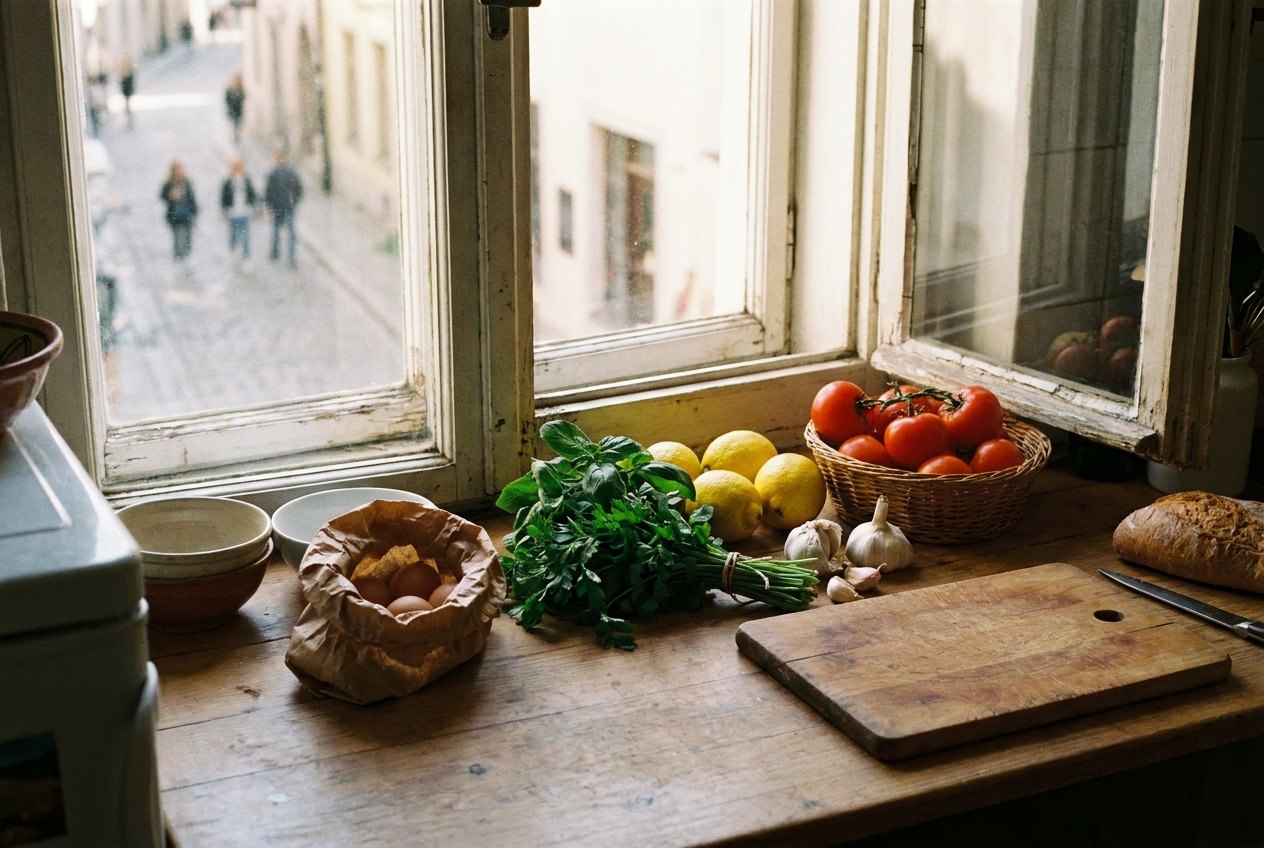
A holiday flat with a kitchen is a gift for anyone who likes to cook. It is also a lottery. Some have a full set of pans, a sharp knife and a cupboard of spices left by previous guests. Others have a single blunt knife, two plates, a pan with a wobbly handle and nothing else. Most fall somewhere in between, and most share the same small gaps.
The lists on this site are written for the average rented kitchen: two burners at most, no oven, no blender. Six light things in your luggage turn even a sparse kitchen into a workable one.
The six things
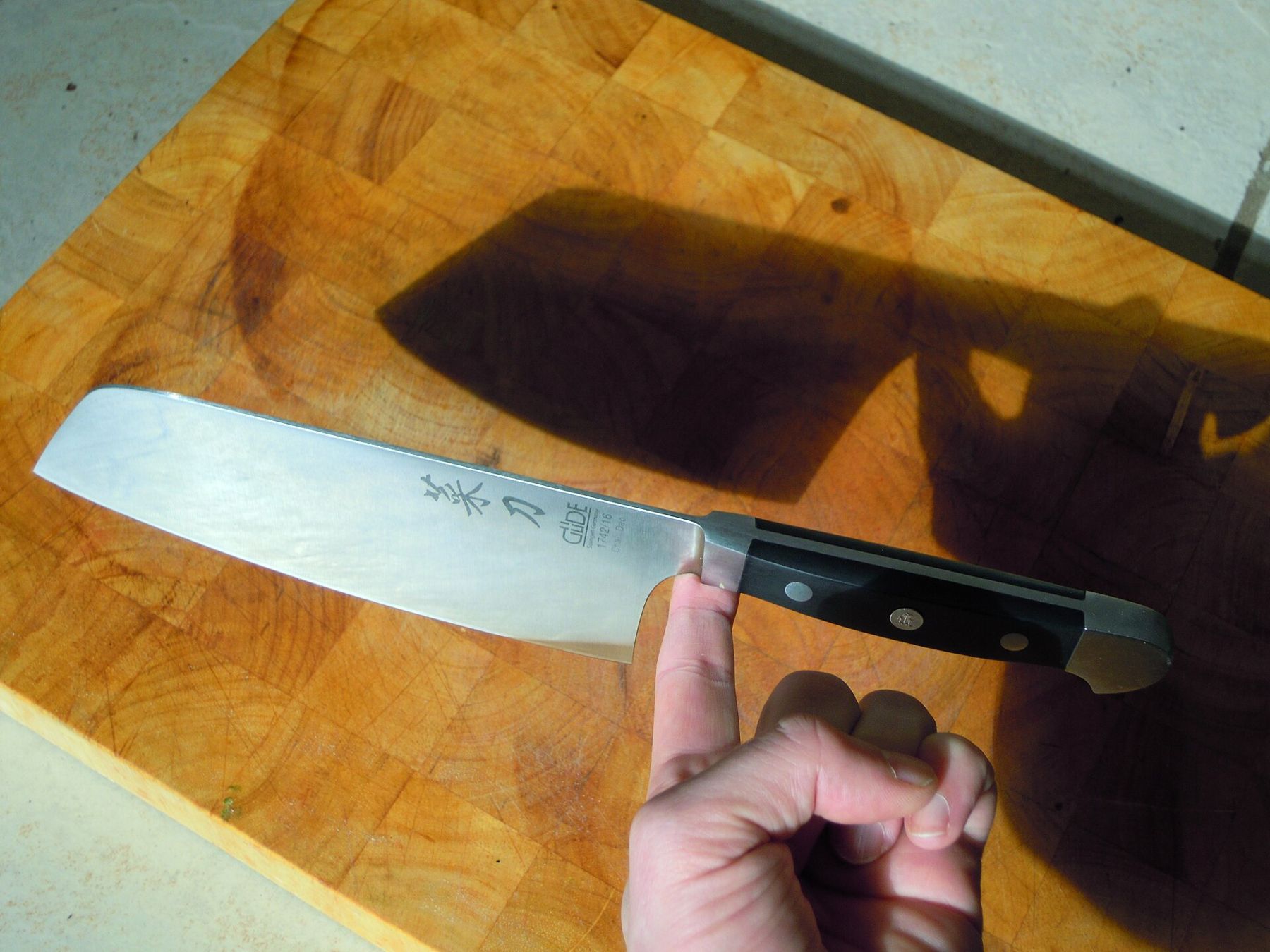
A small sharp knife. This is the single most useful thing to pack. Rented kitchen knives are almost always blunt. A small paring or utility knife with a blade cover makes chopping safe and quick. It must go in checked luggage, never in hand luggage.
Salt and pepper. Many flats have none, or a nearly empty shaker. A small jar of salt and a little pepper save buying full packets for a short stay. If you like, add a small pot of your favourite dried herb or spice.
A tea towel. Flats often have no tea towels, or only one, of doubtful history. A clean tea towel dries dishes, covers bread, holds hot pans and wraps tortillas.
A roll of foil. Rented pans rarely have lids that fit. A sheet of foil makes a lid, wraps leftovers and covers a resting dish.
A folding vegetable peeler. Light, small and missing from most flats.
Zip bags. A handful of resealable bags keeps herbs fresh, stores leftovers and carries market spices home.
What to ask before you book
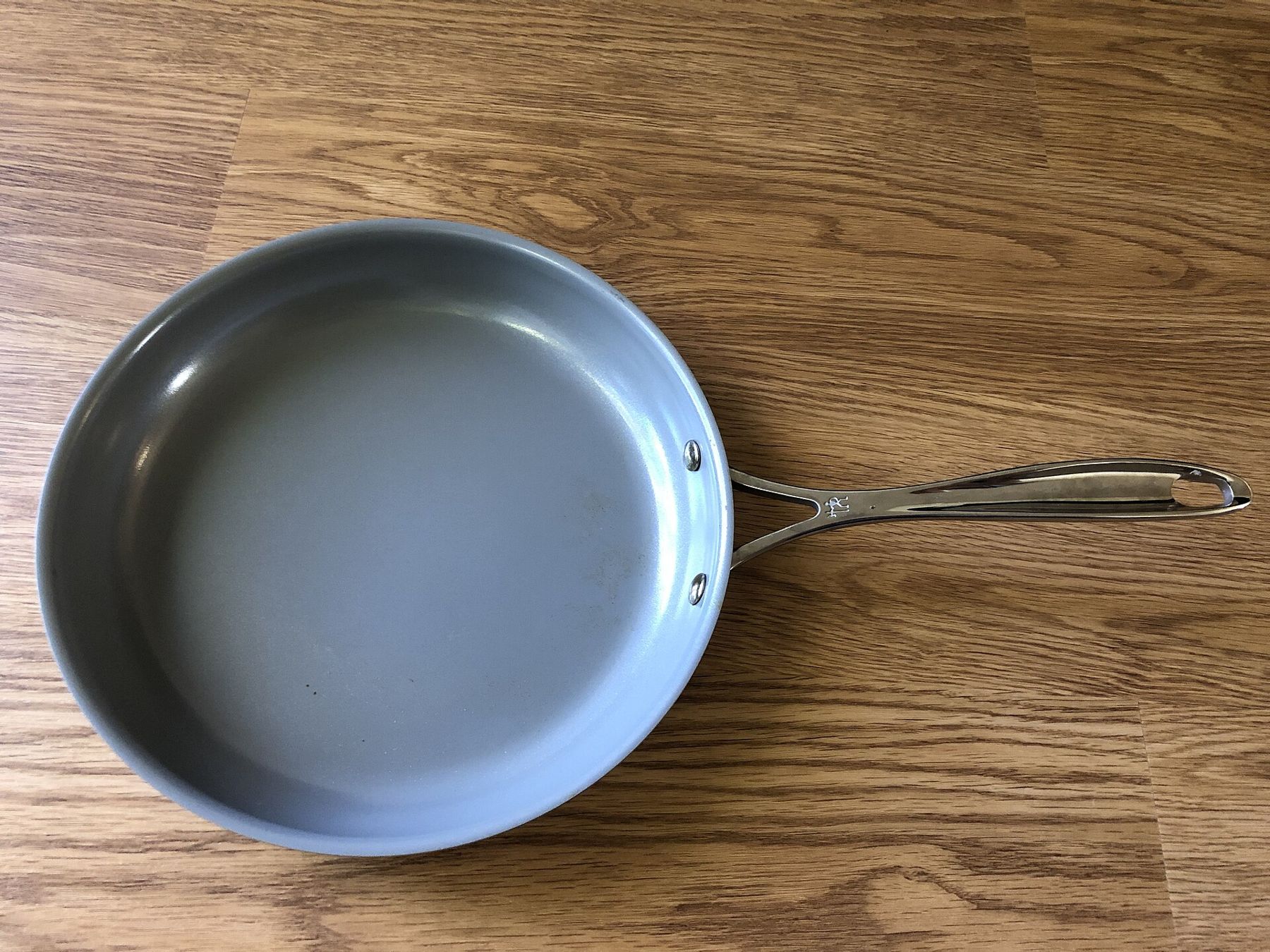
Rental listings describe kitchens vaguely. Before booking, it is worth asking the host a few questions: how many burners there are and whether they are gas or induction, whether there is a fridge with a freezer, whether there are pans and a frying pan, and whether there is a rice cooker or a kettle. Photographs of the kitchen help.
Many modern flats have induction hobs, which heat quickly but only work with magnetic pans: if a pan does not work, check it with a fridge magnet. Gas rings are the easiest to cook on, especially for charring peppers or tortillas. Old electric rings heat slowly and hold their heat, so turn them down early.
Rented flats usually have sensitive smoke alarms. When frying or searing, open the windows and switch on the extractor before you start. If an alarm goes off, fan the air near it rather than disabling it, and leave it working when you leave.
Things worth borrowing or buying on arrival
Another list: LisbonPan-roasted sardines when there is no grill on the balconySome things are not worth packing but are worth checking for on arrival. A chopping board, a large bowl, a colander and a wooden spoon cover most cooking. If any are missing, ask the host before buying; many will provide them. Local markets and hardware shops sell cheap wooden spoons, graters and small knives, which make good souvenirs if they are well made.
A kettle is common in Britain, Asia and Australia and less common in parts of southern Europe and the Americas. If there is none, a small pan does the same job. A rice cooker is standard in East and South-East Asian flats and rare elsewhere.
Water, cleaning and food safety
Check whether the tap water is safe to drink where you are staying. Where it is not, use bottled or boiled water for drinking and for rinsing anything eaten raw. Wash sponges and cloths often, or bring a new sponge: rented kitchens are cleaned between guests, but sponges are often left behind. Keep raw meat and fish on the lowest shelf of the fridge, and cook them the day you buy them.
Fridges in rented flats are sometimes switched off between guests and take a few hours to cool down. Turn it on as soon as you arrive.
Shopping for a short stay
Buy small amounts. Markets let you buy a single onion, a few eggs or a handful of herbs, which supermarkets often do not. Plan meals around one or two shared ingredients, so nothing goes to waste. Oil and vinegar are the hardest things to use up; buy small bottles, or ask whether the flat has some.
Leaving the kitchen
Leave the kitchen as you found it, or better. Wash and put away pans, empty the fridge, sort the rubbish following the local rules and take it out. Unopened staples, such as a packet of pasta or a bag of rice, can be left for the next guests, with a note.
The lists on this site, from sardines in Lisbon to a rice bowl in Tokyo, are written to work with exactly this kind of kitchen.
A first shop for any flat
On the first morning, a short shop covers the basics for a few days of cooking: a small bottle of olive or vegetable oil, eggs, bread, butter, an onion, a head of garlic, a lemon, a packet of pasta or rice and some fruit. With those, plus the six things in your bag, you can make a simple meal on the first evening without hunting for ingredients, and save the market for the next morning.
Coffee and tea are worth checking for too. Many flats have a coffee machine that needs particular capsules, or a stovetop pot; a jar of instant coffee or a few tea bags in your luggage can save a grumpy first morning.
The photographs on this page were shared by their photographers under open licences. Names and licences are on who took the market shots.