Europe's market halls · Lisbon
Pan-roasted sardines when there is no grill on the balcony
In June, Lisbon smells of grilled sardines. A flat with two burners and no balcony grill can still do them justice, with a heavy pan, coarse salt and every window open.
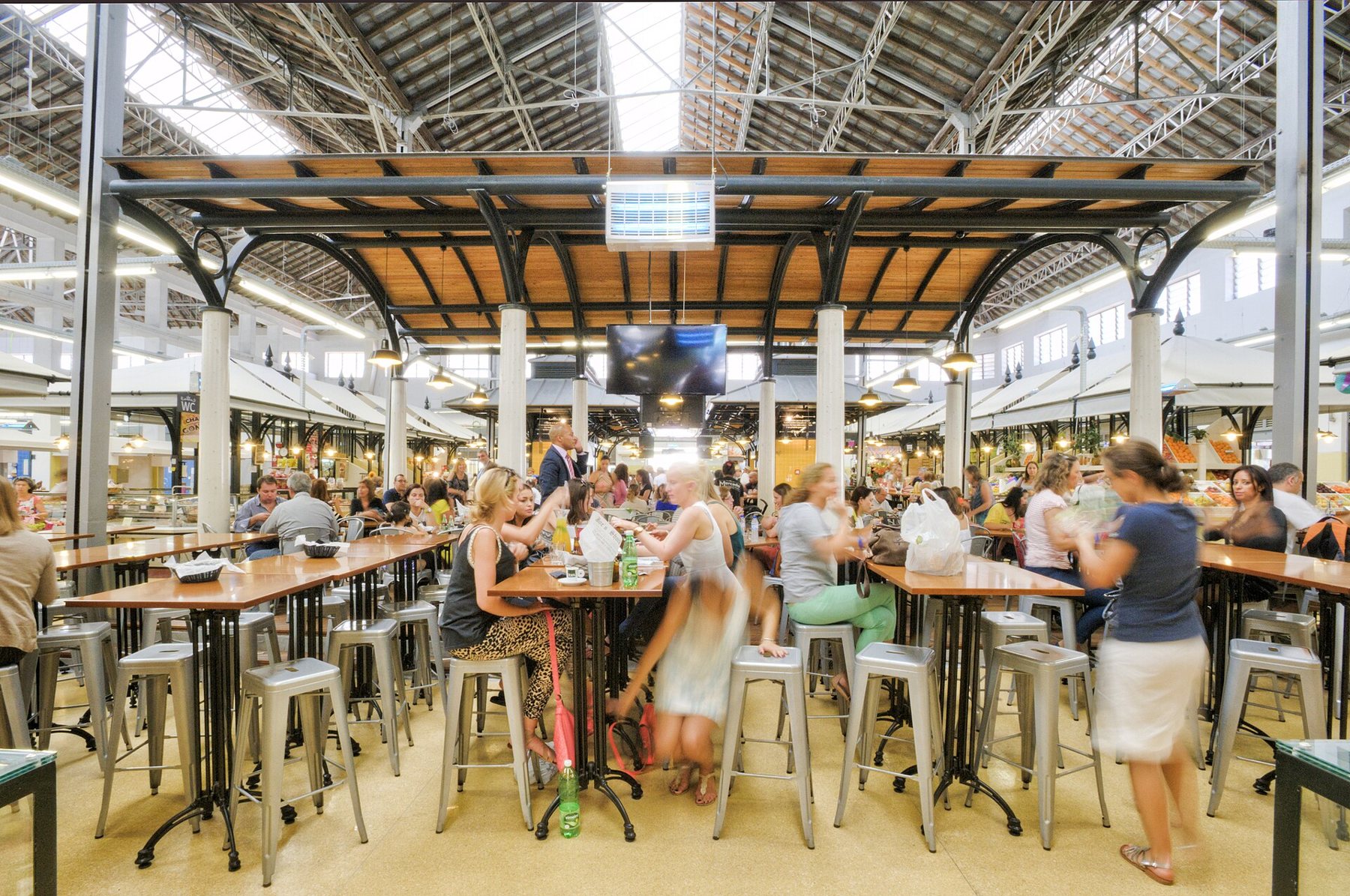
For a few weeks each summer, Lisbon runs on sardines. From the feast of Saint Anthony in mid-June, grills appear on street corners in the old neighbourhoods, smoke drifts between the houses and people eat sardines laid on thick slices of bread, the oil soaking into the crumb. The fish are at their best from June to September, when they are fat from summer feeding.
A rented flat rarely comes with a charcoal grill, and lighting one on a city balcony would not make you popular with the neighbours. A heavy frying pan, heated until it is very hot and used dry, gets you most of the way there. The smoke will still find its way out of the window, which is half the fun.
Which market, and when
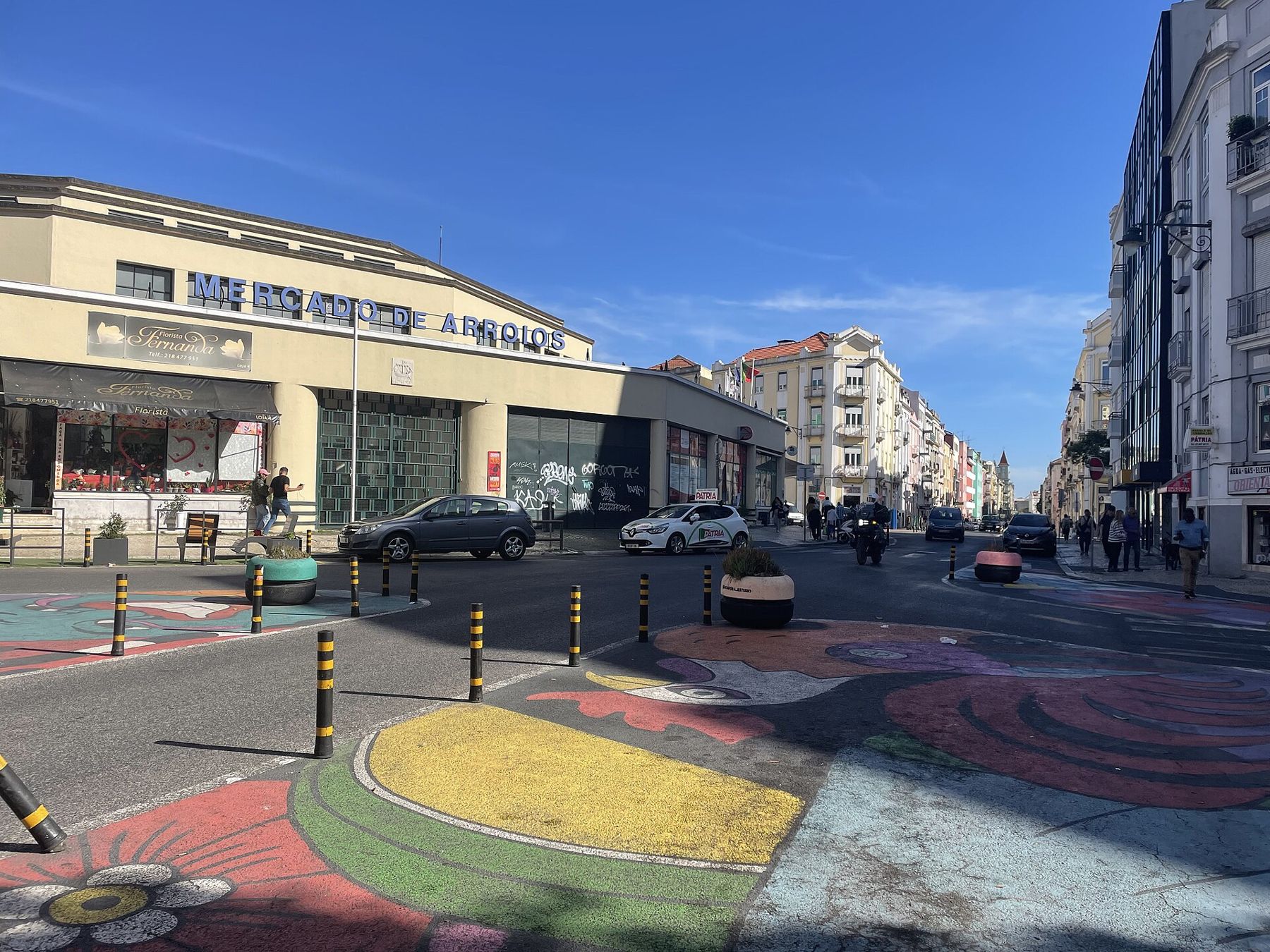
Lisbon's neighbourhood market halls are the best places to buy fish. The Mercado de Campo de Ourique, in the residential district of the same name, is a covered hall with fish, meat, fruit and vegetable stalls, and a food court at one end that stays open into the evening. The Mercado de Arroios, further east, is more workaday, with fishmongers who serve the neighbourhood. The large riverside market at Cais do Sodré still has a traditional market side in the mornings alongside its food hall.
Go in the morning, ideally before ten, when the fish has just arrived and the choice is widest. Most markets close in the early afternoon, and many are closed on Sundays and some on Mondays; check before you go. Fishmongers sell sardines by the kilo or by the piece. Look for bright eyes, shiny, firm bodies and a fresh sea smell; the scales should be intact.
The shopping list, explained
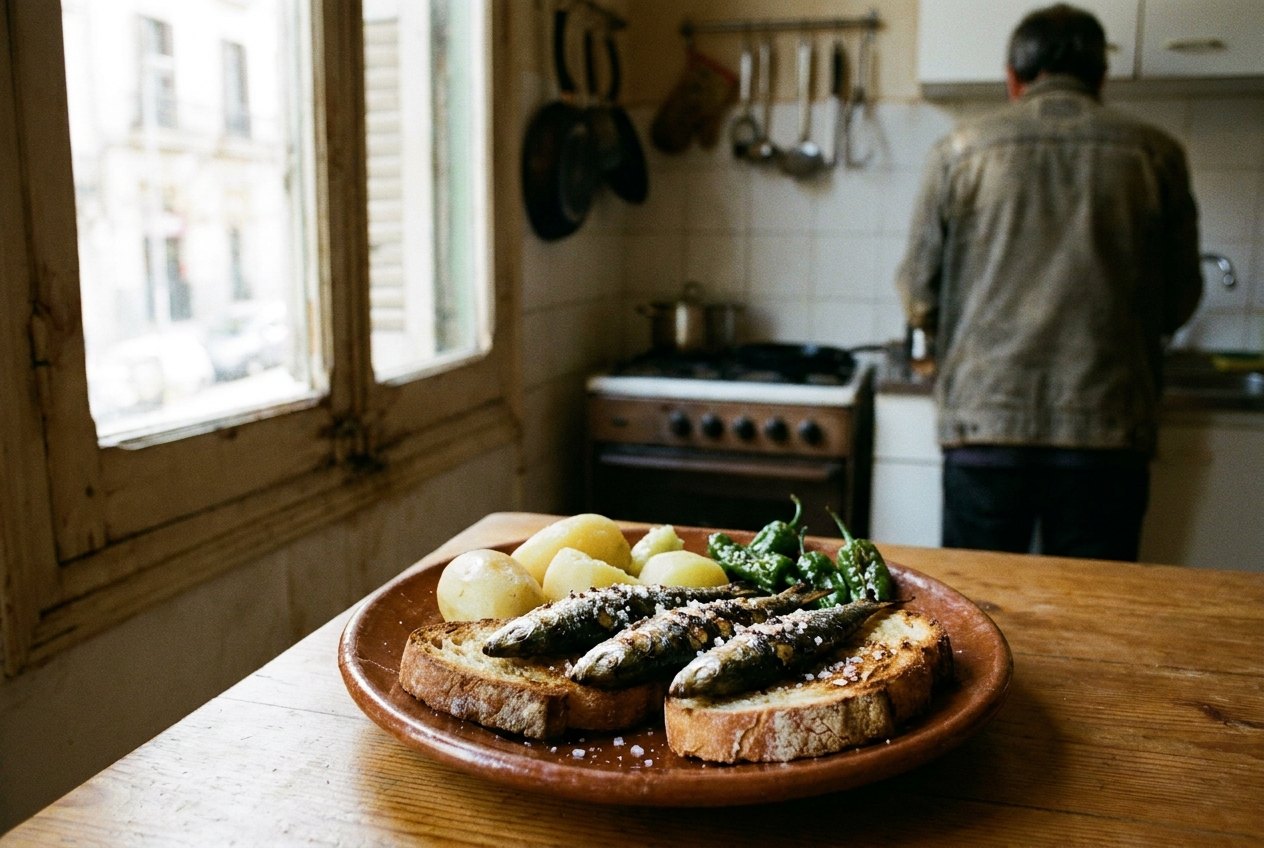
Sardines are the star. Six to eight small ones make a generous meal for two with potatoes and bread. In Portugal they are traditionally cooked whole, guts and all, which keeps them moist; if you prefer, ask the fishmonger to gut them, though they will dry out a little faster.
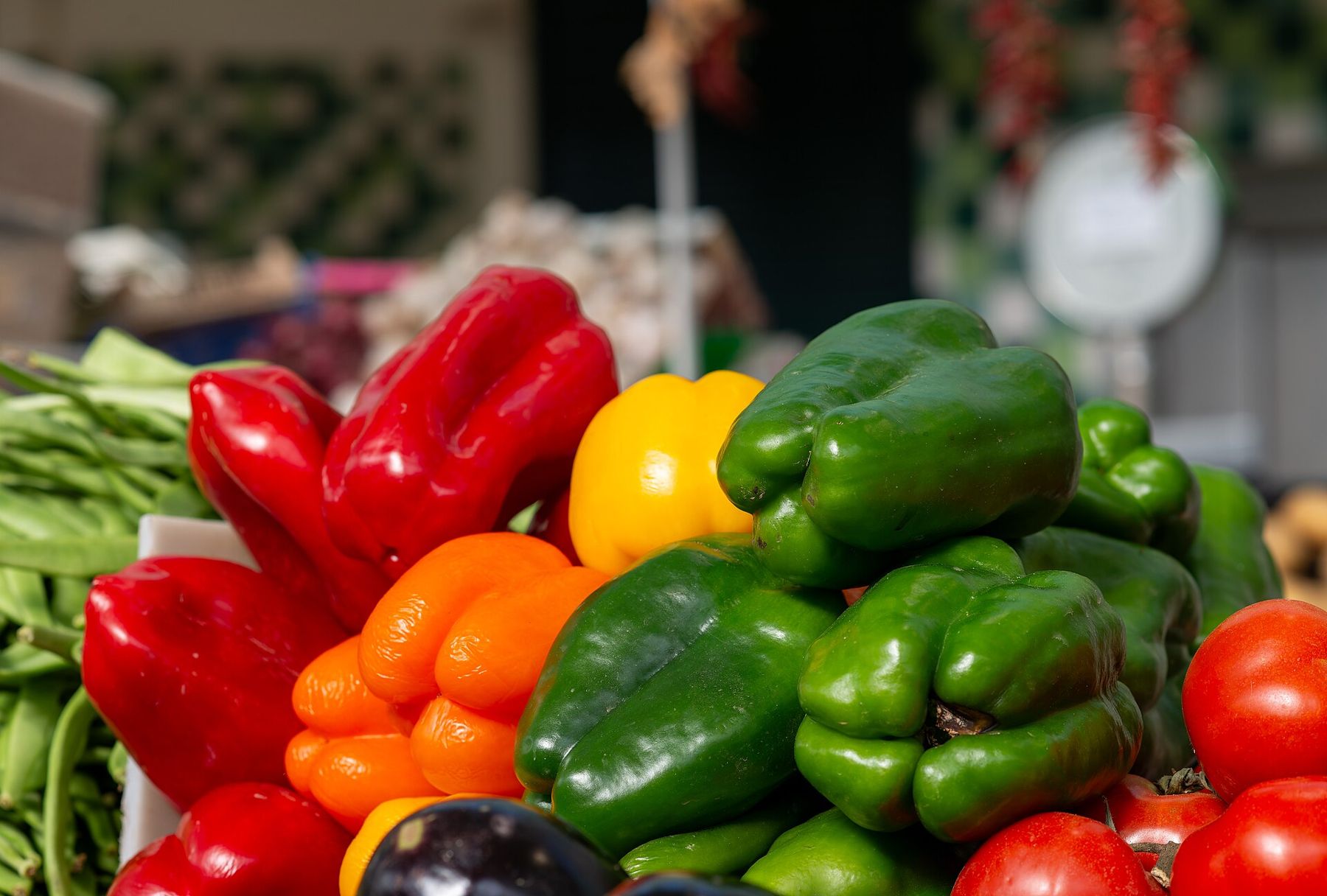
Waxy potatoes, boiled in their skins, are the usual partner. Long green peppers, the thin-skinned kind sold in summer, are roasted and peeled for a simple salad. Coarse sea salt is essential, and so is good olive oil. Bring home a loaf of crusty bread, or a round of the dense corn bread called broa, to put under the fish.
Salt the sardines generously with coarse salt at least half an hour before cooking, or the evening before if you are buying them a day early. Keep them in the fridge, covered, until you are ready. The salt firms the flesh and seasons it right through.
Use the heaviest frying pan in the kitchen, ideally cast iron or thick steel. Non-stick pans dislike the high heat this needs. If the flat has an extractor fan, switch it on; if not, open every window before you start.
Another list: NaplesPasta e patate in the flat's only deep pot- Put the potatoes, whole and unpeeled, in a pan of cold salted water. Bring to the boil and simmer for 20 to 25 minutes until tender.
- While they cook, put the peppers directly over a gas flame, turning with tongs until blackened all over, or char them in the dry frying pan. Put them in a bowl, cover with a plate and leave them to steam.
- Wipe the frying pan clean and set it over the highest heat for several minutes until it is very hot.
- Brush off the excess salt from the sardines and lay them in the dry pan, not touching. They will smoke and spit.
- Cook for 3 to 4 minutes without moving them, until the skin is blistered and they release easily. Turn carefully and cook for 2 to 3 minutes more.
- Peel the peppers, tear them into strips and dress them with olive oil, a little salt and a squeeze of lemon.
- Drain the potatoes, split them open and pour over olive oil. Serve the sardines on slices of bread with the potatoes and peppers on the side.
How to eat a sardine
Lisbon eats sardines with the fingers. Lift the fillet off one side of the backbone, then pull out the bone in one piece and eat the other side. The skin is part of the pleasure, crisp and salty. The bread underneath catches the oil and juices and is eaten last. Some people eat the small fish whole, bones and all; that is a matter of taste.
Smoke, smells and neighbours
Pan-roasting sardines indoors is smoky, and the smell lingers. Close the bedroom doors, open the windows wide and run the extractor if there is one. Smoke alarms in rented flats are sensitive; if one goes off, fan it rather than disabling it. Put the fish skins and bones in a sealed bag and take them out with the rubbish the same evening rather than leaving them in the kitchen bin overnight.
In summer, most of Lisbon is cooking sardines too, so nobody is likely to complain.
A heavy frying pan, heated until it is very hot and used dry, gets you most of the way there.
Leftovers, and the rest of the week
Cooked sardines do not keep well, so cook only what you will eat. Leftover potatoes and peppers make a good salad the next day, dressed with olive oil, vinegar and chopped onion. The rest of the olive oil and bread will see you through breakfasts. For another market city where the fish counter decides dinner, see Palermo's sardine pasta; for a one-pot supper in another southern port, try pasta and potatoes in Naples. Market days and hours change, so check them for Lisbon before you go.
Other fish if sardines are out of season
Outside the summer months, sardines are thinner and less flavourful, and Lisbon cooks turn to other fish. Horse mackerel, carapau, small and silvery, is cooked in exactly the same way and is good all year. Sea bream, dourada, and sea bass, robalo, are sold whole and can be pan-roasted after a longer salting, or cooked under a lid. The fishmongers will clean and scale them for you if you ask, and they will often tell you how they would cook them.
Whatever fish you buy, the rest of the meal stays the same: boiled potatoes with olive oil, a salad of roasted peppers, good bread and a squeeze of lemon. It is a plain meal and a very good one, and it costs far less than the same fish in a restaurant down the street.
Either way, open a window first.
The photographs on this page were shared by their photographers under open licences. Names and licences are on who took the market shots.