Asia's wet markets · Seoul
Kimchi stew from a Seoul market, with one pot
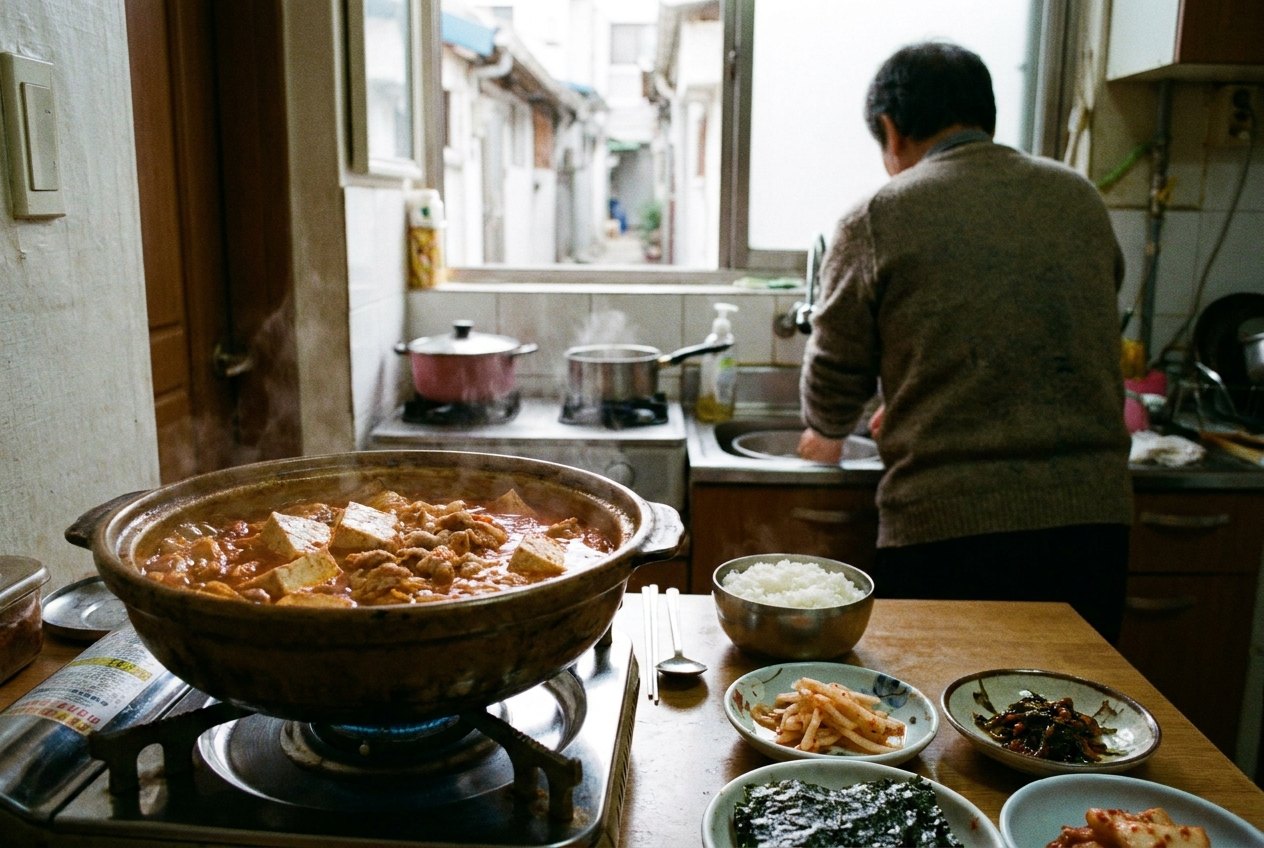
Kimchi jjigae is Korea's everyday comfort food, a spicy, sour stew made from kimchi that has fermented a little too long. With one pot and a market trip, it is ready in half an hour.
Every Korean household has a container of kimchi in the fridge, and as it ages it becomes sourer and stronger. That old, sour kimchi is not wasted: it goes into kimchi jjigae, a bubbling stew with pork or tuna, tofu and onions, eaten with rice. It is warming, quick and one of the most loved home dishes in Korea.
Seoul's markets sell kimchi of every age and style, and a rented flat almost always has a rice cooker. One pot and one burner do the rest.
Two markets
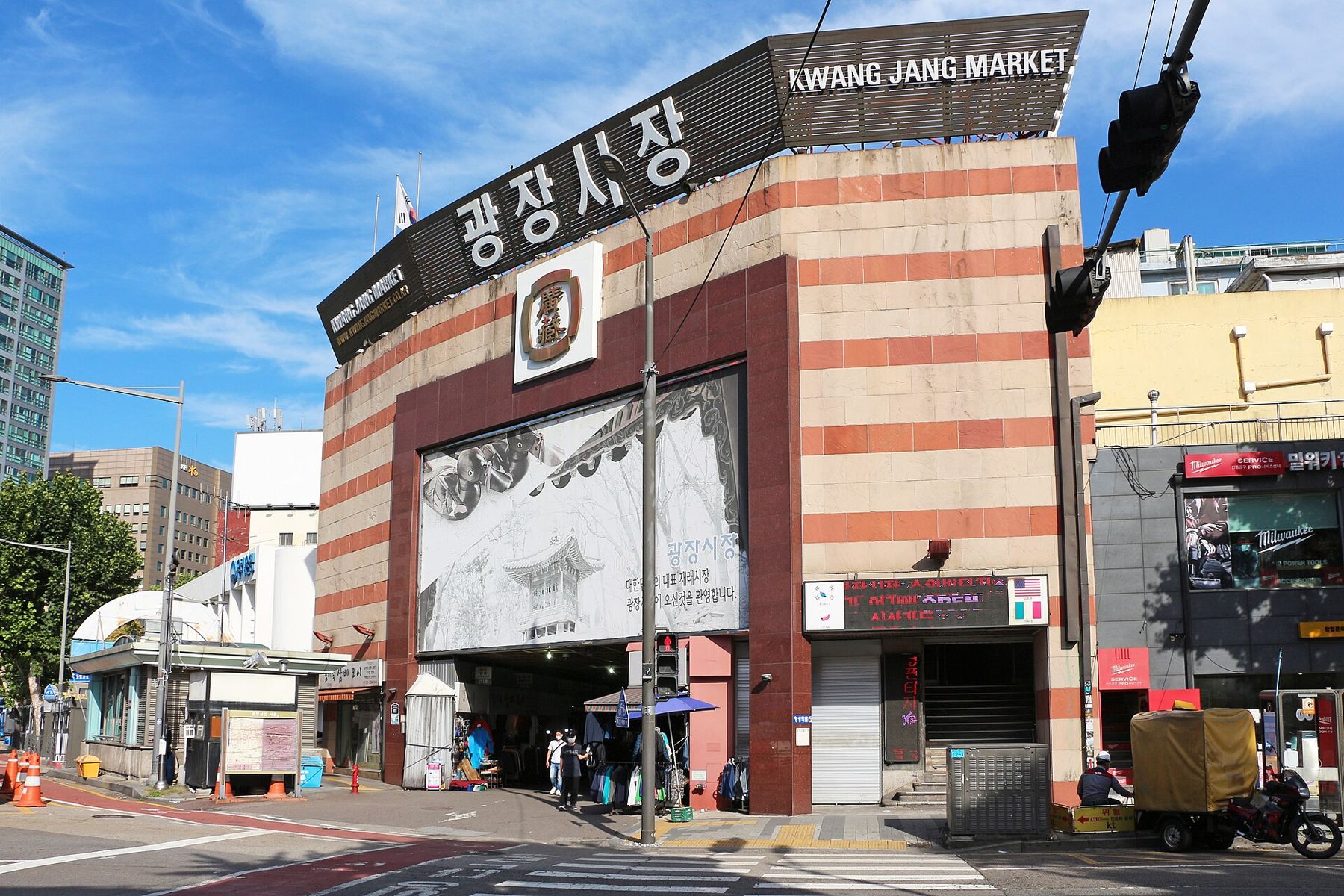
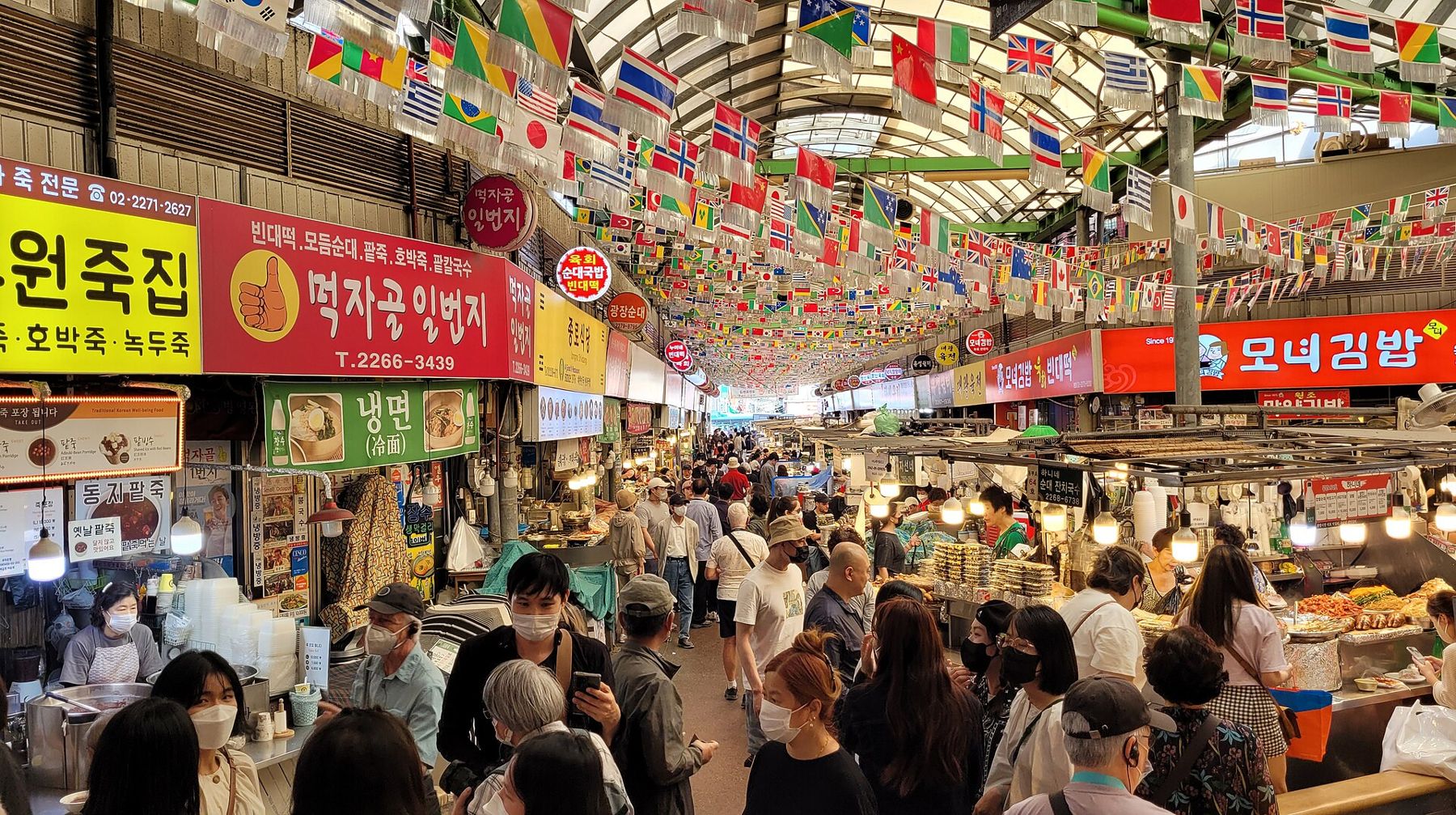
Gwangjang Market, near Jongno 5-ga station, is one of the oldest markets in Seoul, opened in the early twentieth century. It is famous for its food alley, where stalls serve mung bean pancakes, gimbap and noodles to diners on benches, but it also sells kimchi, banchan side dishes, fish, meat and fabrics. It is busy and lively, especially in the evening.
Mangwon Market, in the Mapo district near the Han River, is a neighbourhood market with stalls of vegetables, kimchi, tofu, meat and prepared foods, popular with young residents and less crowded with visitors.
Choosing the kimchi
For jjigae, you want kimchi that has fermented well, sour and soft rather than fresh and crunchy. At the kimchi stalls, ask for older kimchi, sometimes called mugeunji; the sellers will know what you mean. Napa cabbage kimchi is the standard. Ask for some of the kimchi juice too; it adds flavour to the stew.
Pork belly is traditional; canned tuna is a popular, cheaper alternative. Tofu sellers have fresh blocks of soft tofu.
- Start the rice in the rice cooker.
- Cut the pork belly into bite-sized pieces. Chop the kimchi roughly. Slice the onion and spring onions. Cut the tofu into thick slices.
- In a medium pot, fry the pork belly over a medium heat until it releases some fat and begins to brown.
- Add the kimchi and fry for 3 to 4 minutes, stirring, until it softens and smells fragrant. Add the onion and a tablespoon of gochugaru.
- Pour in about 500 ml of water and a few spoonfuls of kimchi juice. Bring to a boil and simmer for 15 minutes.
- Add the tofu and simmer for 5 minutes more. Taste: add a little soy sauce or salt if needed, and a pinch of sugar if the kimchi is very sour.
- Scatter with spring onions and serve bubbling, with rice.
If you use canned tuna instead of pork, fry the kimchi in a little oil first, add the water, simmer, and add the drained tuna with the tofu at the end so it does not break up.
Kimchi beyond cabbage
Another list: TokyoA rice bowl from the Tsukiji outer market and the neighbourhood shopsKorean markets sell dozens of kinds of kimchi. Besides the familiar napa cabbage version, look for cubed radish kimchi, kkakdugi, crunchy and juicy; cucumber kimchi, fresh and quick to eat in summer; spring onion kimchi; and white kimchi made without chilli. Many households make their own, especially in late autumn during kimjang, the season when families gather to make enough kimchi for the winter.
The sellers will usually let you taste. Kimchi keeps for weeks in the fridge, getting sourer as it goes; a container bought at the start of your stay will be perfect for stew by the end of it. Keep it well sealed: the smell is strong and spreads to everything in the fridge.
Gochugaru, gochujang and heat
Gochugaru is Korean chilli powder, coarse and bright red, with a fruity, smoky heat that is milder than it looks. It is the main seasoning in kimchi and in many stews. Gochujang is a thick, sweet and spicy paste made from chilli, rice and fermented soybeans, sold in red tubs; a spoonful in this stew adds depth and a little sweetness. Adjust both to your taste. Korean food can be very spicy, but home cooks vary the heat freely.
Both keep for months and are worth taking home. Buy small bags or tubs from the market.
Eating it Korean-style
Jjigae is served in the pot at the centre of the table, with individual bowls of rice and small side dishes. Each person spoons stew onto their rice. Korean meals use a spoon and metal chopsticks; the spoon is for the rice and stew.
Banchan and leftovers
Markets sell banchan, the small side dishes served with every Korean meal, by weight in containers: seasoned spinach, bean sprouts, stir-fried anchovies, pickled radish. A few containers turn a pot of stew into a full table. Leftover stew is good reheated, and many say it is better the next day. For another quick Asian supper, see a Tokyo rice bowl, or for Vietnamese market cooking, Hanoi. Market hours change, so check them for Seoul before you go.
Market food in Seoul
Before or after shopping, eat at the market. In Gwangjang's food alley, stalls fry bindaetteok, thick mung bean pancakes, in pools of oil, and serve mayak gimbap, small rolls of rice and vegetables in seaweed, with a mustard dipping sauce. Other stalls sell knife-cut noodle soup, blood sausage and raw beef. Diners sit side by side on benches and order by pointing.
Mangwon Market is known for its fried chicken, croquettes and tteokbokki, chewy rice cakes in a sweet, spicy sauce. Many visitors come with an empty stomach and leave with full bags.
Both markets are an easy subway ride from the centre.
The photographs on this page were shared by their photographers under open licences. Names and licences are on who took the market shots.