Europe's market halls · Valencia
A market rice for a rented frying pan in Valencia
Paella was born in the fields outside Valencia, cooked over wood in a wide, shallow pan. A flat's frying pan and a gas ring can make an honest vegetable rice in the same spirit.
In Valencia, rice is not a side dish. The region grows it in the wetlands of the Albufera, just south of the city, and cooks it in dozens of ways: dry rices cooked in a wide pan, soupy rices, rices baked in the oven, black rice coloured with squid ink. The most famous, paella valenciana, is made with chicken, rabbit, flat green beans and large white beans, flavoured with saffron and rosemary and cooked over a wood fire.
Valencians are protective of their paella, and they will tell you, firmly, what does not belong in it. In a rented flat with a frying pan and a gas ring, a full paella valenciana is ambitious. A simpler vegetable rice, an arroz de verduras made with what is in season at the market, is honest, achievable and very good.
The Mercado Central
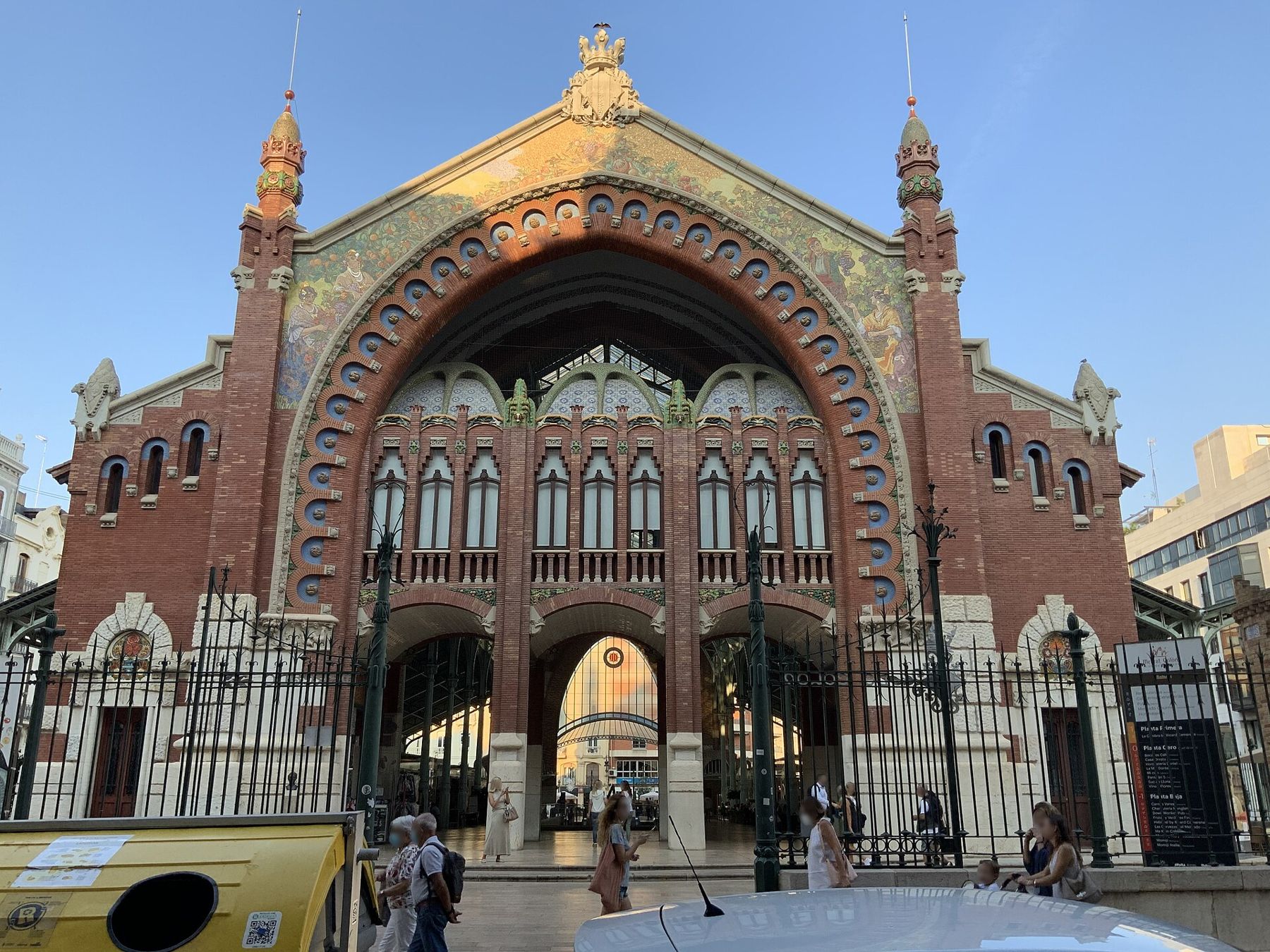
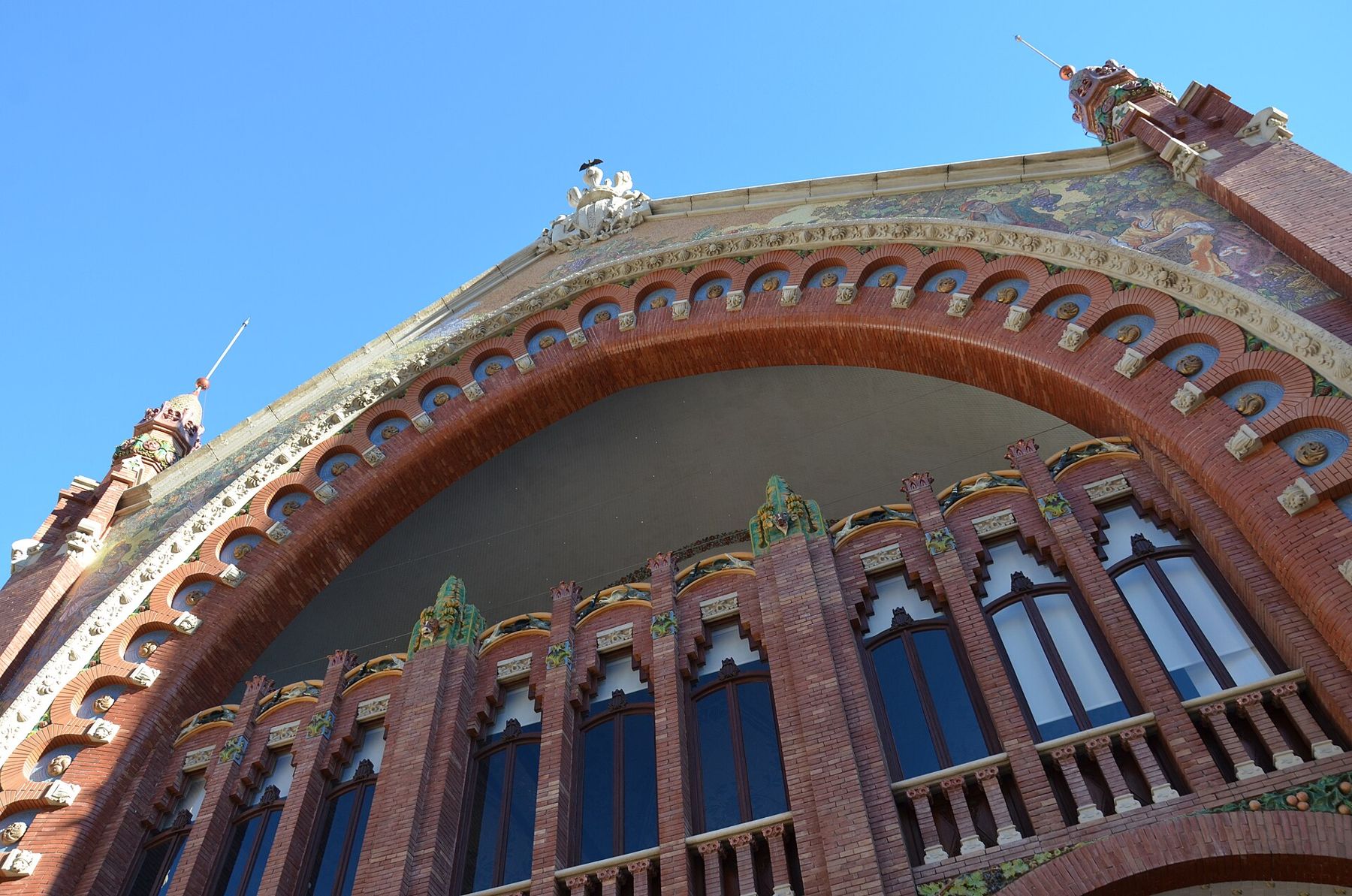
Valencia's Mercado Central is one of the largest and most beautiful covered markets in Europe. Built in the early twentieth century in the Valencian Modernista style, it has a vast iron and glass roof, domes, ceramic tiles and stained glass, and hundreds of stalls selling fruit, vegetables, fish, meat, cheese, spices, olives and rice. It stands in the old town, opposite the Gothic silk exchange, the Lonja, and it is open in the mornings from Monday to Saturday; check current hours before you go.
Go early for the best produce and the calmest aisles. The vegetable stalls sell the flat green beans called ferraura and the large white beans called garrofó, fresh in summer and dried or cooked in jars the rest of the year. Rice stalls sell several local varieties, and the spice stalls sell saffron in tiny boxes.
Why the pan matters
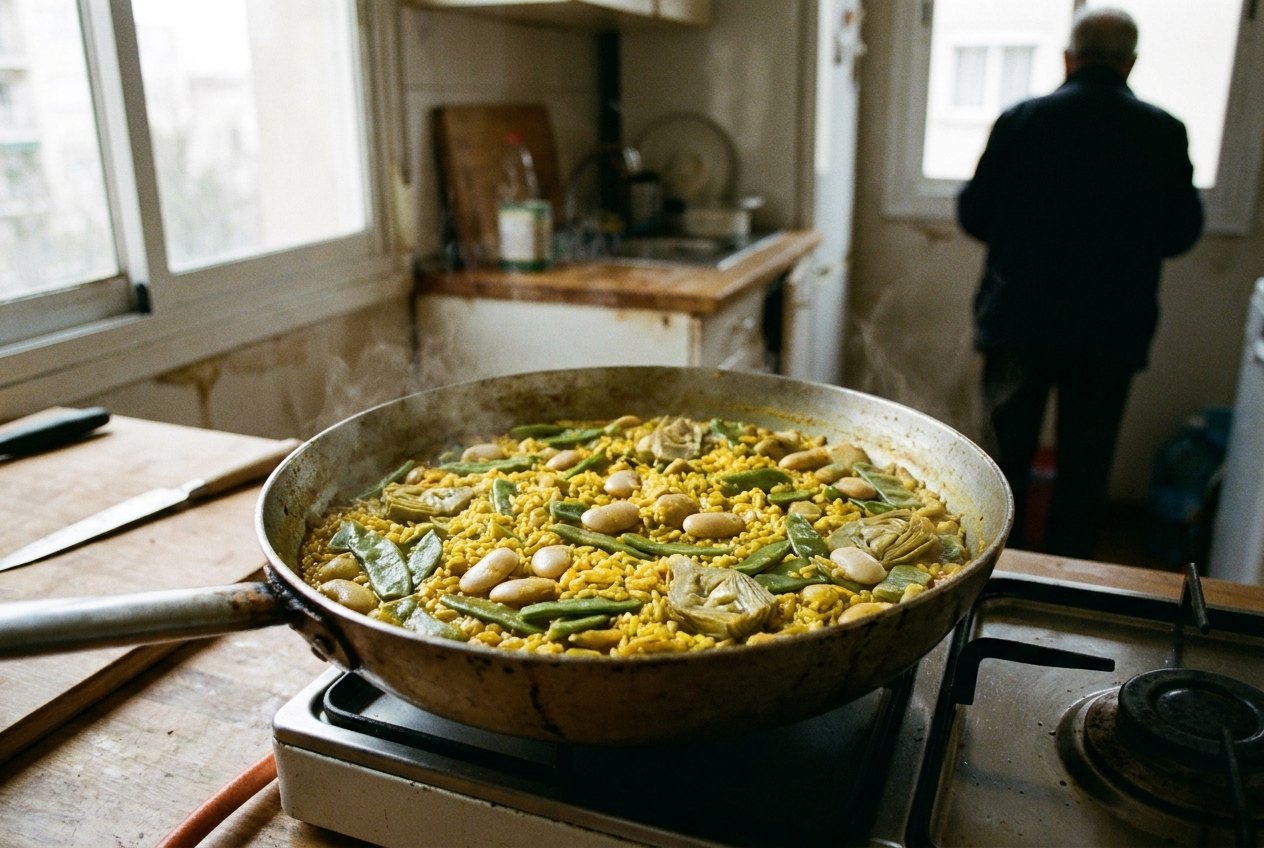
The word paella means pan in Valencian. The traditional pan is wide, shallow and thin, so that the rice cooks in a thin layer and the liquid evaporates quickly and evenly. A domestic frying pan of 28 to 30 centimetres is a reasonable substitute for two people. Do not use a deep pot: the rice would cook in a thick layer and turn stodgy.
A gas ring heats only the centre of the pan, so rotate the pan from time to time to spread the heat, especially if it is larger than the flame.
The right rice
Use a short, round Spanish rice, such as Bomba or Senia, which absorbs a lot of liquid while keeping its shape. Long-grain rice or risotto rice behave differently. The proportion of liquid to rice depends on the rice and the pan; start with about three times the volume of liquid to rice, and adjust.
At the stove
Another list: PalermoPasta with sardines and wild fennel, from Ballarò- Cut the green beans into short lengths. Grate the tomato, discarding the skin. If using artichokes, trim them down to the tender hearts and quarter them; if using red pepper, cut it into strips.
- Heat a few tablespoons of olive oil in the frying pan over a medium-high heat. Fry the green beans and artichokes or pepper for about 5 minutes until lightly browned. Season with salt.
- Add the grated tomato and a teaspoon of sweet paprika, and cook for 2 minutes. Add the cooked white beans.
- Pour in about 600 ml of hot water or vegetable stock. Crumble in the saffron. Taste and add salt: the liquid should be well seasoned. Bring to a boil and simmer for 5 minutes.
- Scatter the rice evenly across the pan. Shake the pan gently to level it, and then do not stir again.
- Cook over a medium-high heat for about 10 minutes, then lower the heat and cook for 8 to 10 minutes more, rotating the pan, until the liquid has been absorbed and the rice is tender.
- For the last minute, turn up the heat and listen for a gentle crackle: that is the socarrat forming. Take the pan off the heat, cover with a clean cloth and rest for 5 minutes before eating.
Socarrat and not stirring
The great difference between Valencian rice and risotto is that you do not stir it. Stirring releases starch and makes the rice creamy; Valencians want each grain separate. Left alone, the bottom layer of rice toasts against the pan into a thin, caramelised crust, the socarrat, which is prized as the best part. Listen for the crackle and smell for toasting, not burning, and scrape it up with a spoon at the table.
Eating it the local way
In Valencia, rice is a lunchtime dish, eaten in the early afternoon, often on Sundays with family. It is traditionally eaten straight from the pan, each person with a spoon working on their own section. Lemon wedges are a matter of taste; some Valencians frown on them.
Leftovers and the rest of the bag
Leftover rice is best eaten cold the next day or reheated gently in a pan with a splash of water. The market's other treasures, such as oranges, tomatoes, cured meats and horchata, the cold drink made from tiger nuts, make easy meals without cooking. For another southern European market dish, see Palermo's sardine pasta or Lisbon's sardines. Market hours change, so check them for Valencia before you go.
Valencians often eat their rice outdoors at weekends, and the long Sunday lunch is a ritual worth adopting even in a small flat.
The photographs on this page were shared by their photographers under open licences. Names and licences are on who took the market shots.